Understanding Cockfighting: An In-Depth Look at a Controversial Yet Popular Sport in Sports Betting
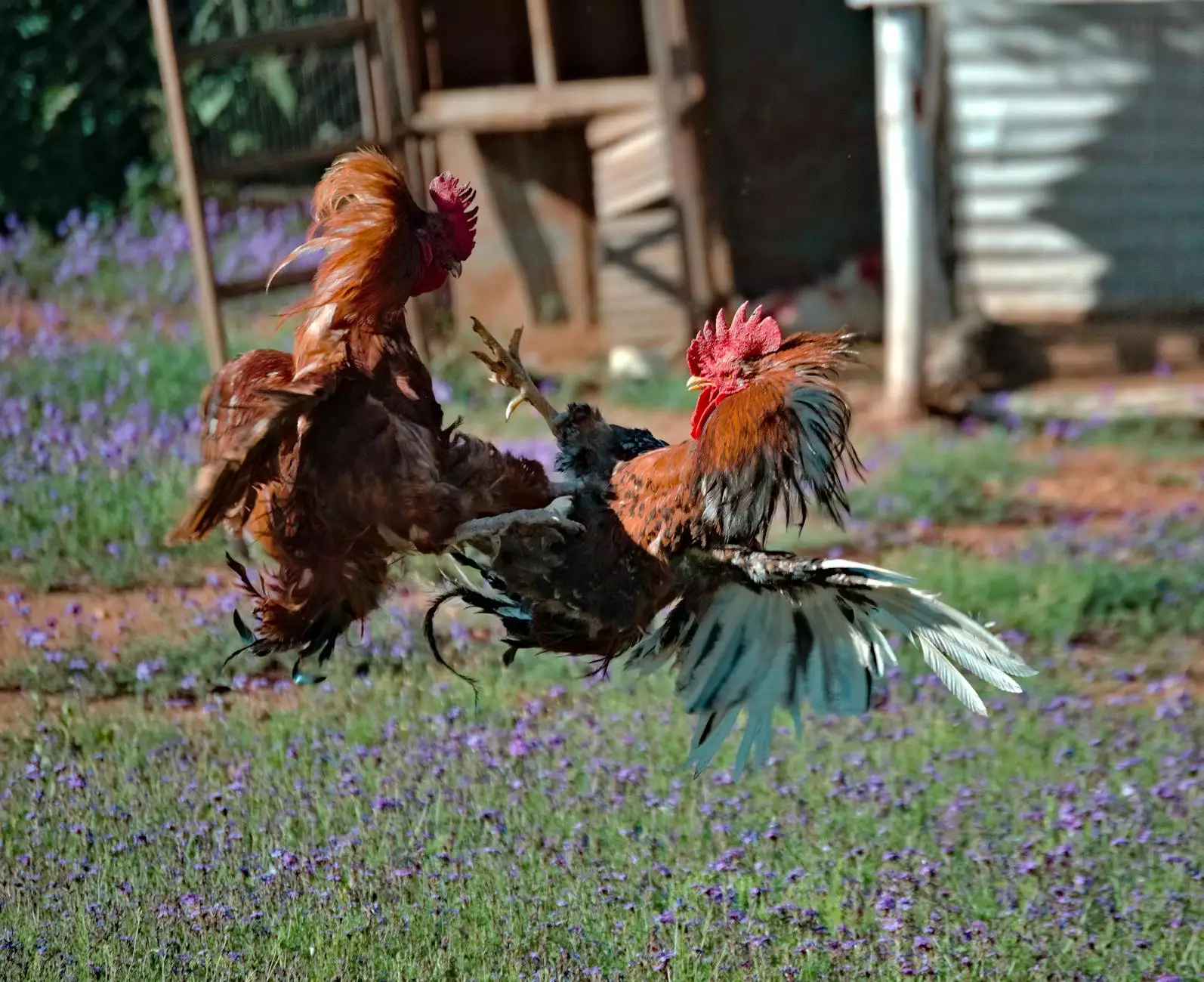
Cockfighting is a long-standing tradition that traces its roots across various cultures worldwide. Despite being shrouded in controversy due to ethical concerns and legal restrictions, it remains a popular activity in certain regions, especially within the world of sports betting. This comprehensive article aims to provide an extensive understanding of what is cockfighting, its historical significance, the rules that govern it, its cultural impact, and its modern-day status in betting industries.
What is Cockfighting? An Overview of This Age-Old Blood Sport
Cockfighting is a competitive sport where two specially trained and combative roosters, often equipped with weaponized spurs called gaffs or razor-sharp blades, are set against each other in a ring called a fighting pit. The primary goal is for one rooster to overpower or kill the other, often resulting in serious injury or death.
While the act itself may appear brutal, historically, cockfighting has been woven into the cultural fabric of many societies because of its symbolic meaning, social function, and entertainment value. The sport involves more than just the fight—it encompasses tradition, ritual, betting, and community bonding.
The Historical Roots and Cultural Significance of Cockfighting
Ancient Origins and Global Presence
Evidence of cockfighting dates back thousands of years. Ancient civilizations in Egypt, Greece, China, and parts of Southeast Asia depicted cockfighting scenes in their art and texts. For example, hieroglyphs from 2000 BCE reveal the game’s existence in Egypt, demonstrating its deep historical roots.
In many Asian countries like the Philippines, Thailand, and Indonesia, cockfighting is woven into cultural and religious practices. It was often used in rituals to honor deities, celebrate harvests, or fortify social ties among communities.
Symbolism and Cultural Role
- Symbol of courage and strength: The fighting rooster is considered a symbol of bravery, resilience, and virility.
- Social cohesion: Betting and spectating often act as communal activities, bringing neighbors and tribes together.
- Tradition and livelihood: In many rural areas, cockfighting is not only cultural but also a vital source of income and social status for breeders and trainers.
How Cockfighting Is Conducted: Rules and Procedures
Basic Rules and Setup
Understanding what is cockfighting entails requires knowledge of how these fights are organized and executed:
- Participants: Two roosters, typically bred and trained for combat, are involved.
- Preparation: Camouflaged or equipped with gaffs, blades, or spur extensions to amplify their fighting capability.
- Venue: Fights are held in an arena called a ring, with a betting area where spectators gather.
- Duration: Fights usually last from a few seconds to several minutes until one cock concedes, flees, or is incapacitated.
Key Aspects of the Sport
- Breeding and training: Breeders select the most aggressive and resilient roosters, often engaging in selective breeding practices.
- Fight preparation: Training involves conditioning the cocks for combat, sometimes using enhancers or even doping techniques.
- Betting: Spectators place wagers on their favored rooster, adding an element of excitement and risk.
- Outcome determination: The fight concludes when one rooster is defeated or lifeless, or if a judge intervenes due to excessive injury or other factors.
Legal and Ethical Perspectives on Cockfighting
The Legal Landscape
The legality of what is cockfighting varies globally. In many countries, cockfighting is outright illegal due to animal cruelty laws. For instance:
- It is banned in much of North America, Europe, and Australia.
- Some Asian countries, like the Philippines and parts of Thailand, have some legal allowances or regulated events.
- In countries where it is illegal, underground fighting persists, often associated with organized crime.
Animal Welfare and Ethical Concerns
Modern perspectives increasingly condemn cockfighting on ethical grounds. Animal rights activists highlight:
- The cruelty involved in inflicting injuries on defenseless birds.
- The suffering and pain caused during the fights.
- The promotion of violence and brutality in society.
Balancing Cultural Traditions and Modern Ethics
While cultural preservation remains important for some communities, the global movement toward animal welfare calls for responsible stewardship and humane treatment. Many advocate for banning cockfighting altogether, emphasizing alternatives that respect animal welfare while acknowledging cultural histories.
The Role of Cockfighting in Modern Sports Betting
Betting Dynamics in Cockfighting
In regions where cockfighting remains legal or tolerated, it plays a significant role in the sports betting industry. Bettors often place wagers based on:
- The strength, temperament, and training of individual roosters.
- The pedigree and breeding history of the fighters.
- The current form and health status of competing birds.
Legal Online Platforms and Cockfighting
With the rise of online betting, platforms like sabong-international-online.com provide virtual avenues for enthusiasts to engage with cockfighting. These sites often simulate traditional fights or host live events, allowing a broader global audience to participate while adhering to varying legal regulations.
Predictions and Strategies in Cockfighting Betting
Successful betting hinges on deep understanding of horse (or rather, cock) psychology, history, and performance metrics. Bettors analyze:
- Previous fight records
- Training regimens
- Breeding lineage
- Behavioral tendencies of the fighting birds
Impact of Technology and Social Media on Cockfighting
Modern Innovations in Training and Breeding
Technological advancements have transformed training, health monitoring, and breeding processes. Genetic testing, data analytics, and health care improvements enhance the quality of fighting cocks and influence betting dynamics.
Social Media and Its Role in Promoting Cockfighting
While many social platforms ban animal cruelty, some clandestine online groups and forums serve to promote, organize, or discuss cockfighting events. This duality reflects ongoing societal debates surrounding the sport.
Future Outlook: Navigating the Complex World of Cockfighting and Betting
The Cultural Persistence vs. Ethical Advocacy
The future of what is cockfighting largely depends on balancing cultural traditions with ethical principles and legal frameworks. Continuous advocacy, education, and the development of humane alternatives are shaping the discourse worldwide.
Innovations in Legal and Ethical Frameworks
Some regions are exploring regulated, humane forms of entertainment that respect animal welfare while preserving cultural elements. Continued dialogue and responsible regulation will determine how cockfighting evolves in the modern world.
Conclusion: Deepening Understanding of Cockfighting and Its Role in Society
In understanding what is cockfighting, we uncover a complex tapestry of history, culture, ethics, legality, and modern entertainment. While it remains a contentious topic, its influence on the gaming landscape, particularly within sports betting, is undeniable. Knowledge, respect for cultural diversity, and ongoing ethical debates will shape the sport's future in a rapidly changing world.
Whether viewed as a traditional activity, a form of entertainment, or a subject of ethical concern, cockfighting exemplifies how sports, culture, and societal values intersect — demanding thoughtful reflection from enthusiasts, lawmakers, and advocates alike.